
Home / Blog / Plumbing Repairs
Plumbing Repairs
Why Is My Water Pressure Suddenly Low?
The location of the pressure drop is the biggest clue. One weak faucet points in a different direction than low pressure throughout the entire home.
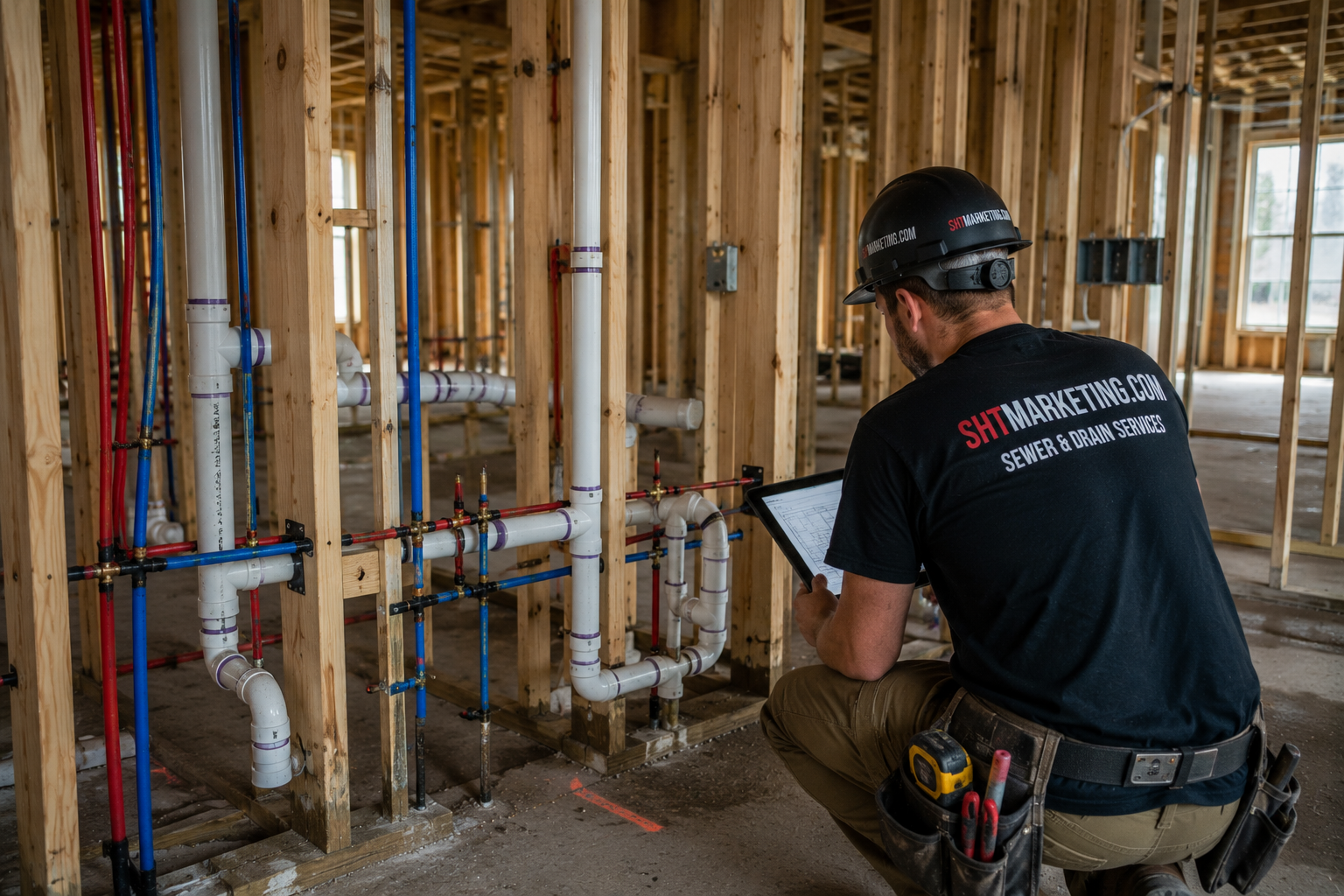
Low water pressure is frustrating because several very different problems can feel the same at the faucet. The fastest way to narrow the cause is to notice whether the issue affects one fixture, one side of the house, hot water only, or the entire property.
If only one faucet is weak
Start at the fixture. A clogged aerator, showerhead, cartridge, supply stop, or flexible connector can reduce flow. If nearby fixtures have normal pressure, a whole-house problem is less likely.
If only hot water is weak
Compare hot and cold flow at several fixtures. A restriction related to the water heater or hot-water piping can reduce hot-side performance while cold water remains normal.
If the whole house changed suddenly
Look for a recent utility interruption, a valve that was partially closed after work, a pressure-regulator issue, or an active leak. If a large leak is present, you may also hear running water or see unexpected meter activity.
Check the main and service valves
A valve that is not fully open can restrict flow. Do not force old or corroded valves. If the pressure problem began after plumbing or utility work, mention that timing to the technician because it may be an important clue.
Pressure regulators can fail
Homes with a pressure-reducing valve can experience pressure changes when the regulator wears or fails. Testing static and flowing pressure at appropriate points helps determine whether the regulator is behaving correctly.
Older piping can restrict flow
Galvanized and other aging piping can lose inside diameter because of corrosion and mineral buildup. The change is often gradual, but homeowners may notice it more when several fixtures run at once. If the piping is broadly restricted, fixture-by-fixture repairs will not solve the underlying distribution problem.
Leaks can reduce available pressure
A significant leak diverts water before it reaches fixtures. If low pressure is accompanied by unexplained water use, wet areas, or the sound of running water, treat the leak possibility seriously.
Frequently asked questions
What is normal water pressure?
Acceptable pressure depends on local conditions and plumbing codes. Rather than guessing from how the shower feels, a plumber can measure static and flowing pressure and compare the readings with the system design.
Can low pressure be caused by the city?
Yes. Utility maintenance, main breaks, and neighborhood demand can affect supply. If neighbors have the same sudden issue, the source may be outside the house.
Does low pressure mean I need repiping?
No. Repiping is only one possible solution when the distribution piping itself is broadly restricted or deteriorated. The cause should be confirmed first.
For a page that explains when piping condition becomes the larger issue, visit Whole-Home Repiping.
Need help with a plumbing problem?
Use the guide to understand the issue, then choose the service that fits the symptoms you are seeing.
View Plumbing ServicesCall 720-517-0622