Drain Cleaning
What to Do If Your Toilet Keeps Overflowing
Stopping the flow is the first priority. After that, the pattern of the backup can help tell you whether the problem is in the toilet, the branch drain, or the main sewer line.
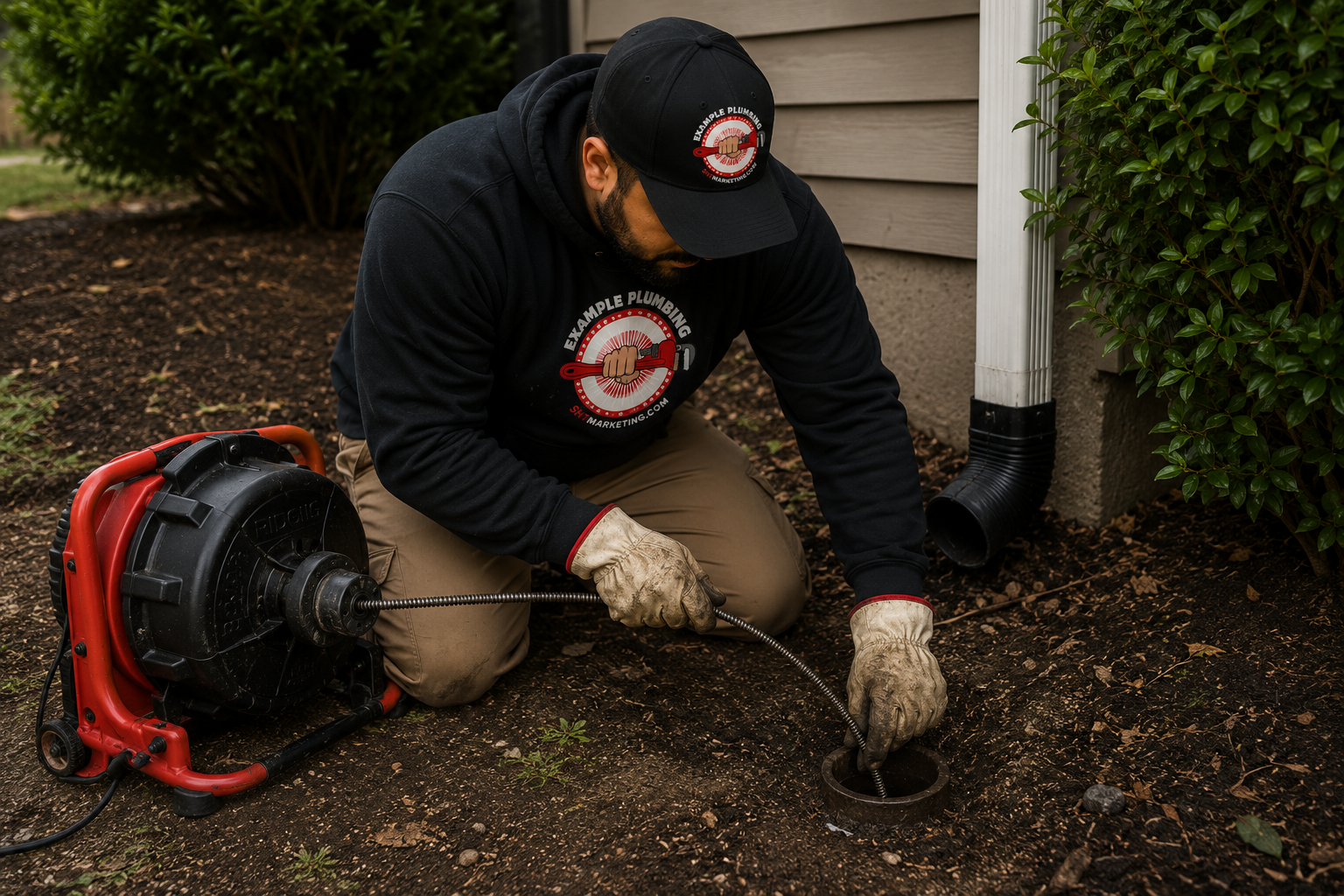
A toilet overflow is messy, but the first response is simple: stop adding water. Do not keep flushing to see whether the bowl clears. Repeated flushing can turn a manageable clog into water damage.
Stop the toilet from refilling
If water is still entering the bowl, close the shutoff valve on the wall or floor behind the toilet. Turn it clockwise gently. Do not force an old valve that feels seized. You can also lift the tank float temporarily while you address the immediate overflow.
Do not flush again
When a bowl is already high, another flush adds more water to a drain that may not be able to accept it. Give the water level time to drop before attempting a basic plunge.
Use the right plunger technique
A flange-style toilet plunger seals better around the drain opening than a flat sink plunger. Use controlled pushes and pulls rather than aggressive splashing. If the toilet does not respond after several attempts, stop. A deeper obstruction may need a toilet auger or professional drain equipment.
Pay attention to other fixtures
If the bathtub or shower fills when the toilet is flushed, or another toilet gurgles at the same time, the restriction may be farther downstream. Multiple fixtures reacting together is an important clue that the problem is not limited to one toilet.
Common reasons toilets repeatedly clog
- Too much paper in a single flush.
- Wipes or hygiene products that should not be flushed.
- A foreign object in the toilet trapway.
- A restriction in the branch drain.
- A partial main sewer blockage.
- An older or poorly performing toilet that does not move waste effectively.
When a sewer inspection makes sense
If backups are recurring, multiple fixtures are affected, or basic drain cleaning does not provide a lasting result, a camera inspection can help identify roots, offsets, breaks, heavy buildup, or other line conditions.
Clean up safely
Overflow water may contain contaminants, especially when the bowl contained waste or when sewage backed up from the drain system. Keep children and pets away, use appropriate protective equipment, and disinfect affected hard surfaces. Large contaminated losses may require professional cleanup.
Frequently asked questions
Why does my toilet clog even with normal use?
The toilet may have a partial obstruction, a drain-line restriction, or a performance issue. Repeated clogs deserve a diagnosis rather than repeated plunging.
Can a toilet overflow because of the main sewer?
Yes. A main-line restriction can cause water to rise through lower fixtures, including toilets, tubs, showers, and floor drains.
Should I use chemical drain cleaner in a toilet?
It is generally better to avoid it. It may not solve the obstruction and can create a hazardous situation for the person who later services the toilet or drain.
For a demonstration of how recurring-clog searches can connect to service intent, see Drain Cleaning.
Need help with a plumbing problem?
Use the guide to understand the issue, then choose the service that fits the symptoms you are seeing.
View Plumbing ServicesCall 720-517-0622