
Sewer Lines
What Causes Sewer Line Backups?
Sewer backups are usually symptoms of a restriction or damaged line. Roots, grease, debris, pipe defects, and improper materials can all reduce flow.
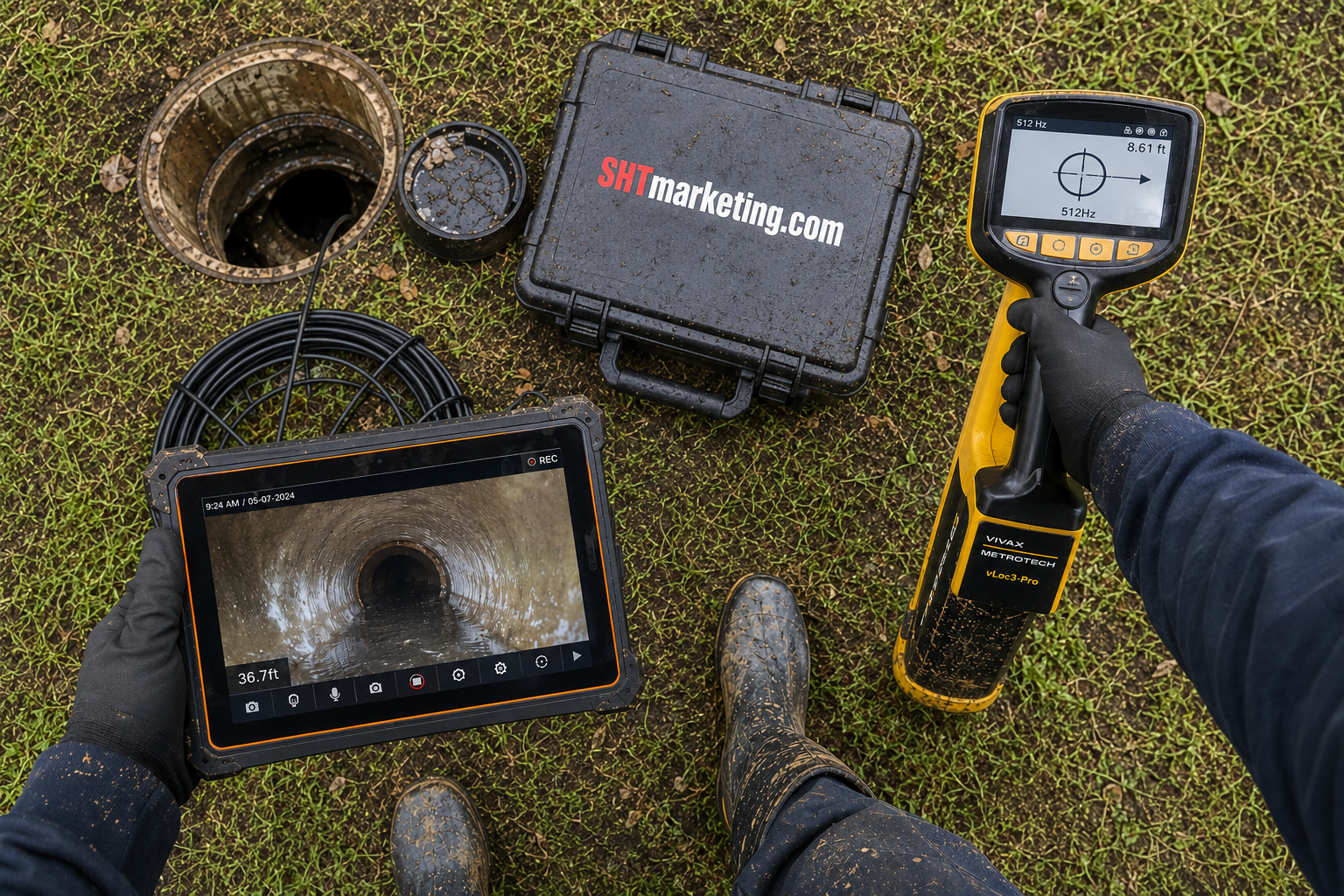
A main sewer line carries wastewater from the house to the municipal sewer or private system. When that path becomes restricted, water looks for the lowest place to escape. That can mean a shower, tub, floor drain, or toilet backing up inside the home.
Tree roots
Roots can enter through joints or damaged areas where moisture is present. Once inside, they catch paper and debris and can create recurring blockages. Cutting roots may restore flow temporarily, but the condition of the pipe determines whether a longer-term repair is needed.
Grease, wipes, and debris
Household habits can build restrictions over time. Cooking grease can collect on pipe walls, while wipes and other products that do not break down like toilet paper can snag on imperfections. Even products marketed as flushable can contribute to problems in some systems.
Pipe scale and deterioration
Older cast-iron lines can become rough and scaled inside. The reduced diameter and uneven surface make it easier for waste to catch. Cleaning can improve flow, but severe deterioration may require repair or replacement.
Bellies and poor slope
A sewer line should maintain a consistent path that allows gravity to carry waste. A low spot can hold water and solids. Cleaning may remove the immediate blockage without correcting the geometry that allowed it to form.
Cracked, offset, or collapsed pipe
Ground movement, age, installation defects, and other conditions can damage buried piping. If the line has shifted or collapsed, repeated drain cleaning will not restore the pipe's structure.
How a plumber diagnoses a recurring backup
The first step is often to restore enough flow to inspect the line. A sewer camera can then show many visible conditions, while locating equipment helps estimate where those conditions are underground. The technician should connect what the camera shows with the home's symptoms before recommending excavation or replacement.
Warning signs before a full backup
- Several drains slowing at the same time.
- Toilets gurgling when sinks or tubs drain.
- Water appearing in a tub or shower after a toilet flush.
- Recurring main-line cleaning.
- Odors or wet areas near a known sewer path.
Frequently asked questions
Can heavy rain cause a sewer backup?
In some systems, overloaded municipal sewers, groundwater, improper connections, or damaged private lines can contribute. The source needs to be identified before choosing a repair.
Does a camera inspection clear the clog?
No. The camera is a diagnostic tool. The line usually needs enough open space for the camera to travel and provide a useful view.
Will hydro jetting fix a broken sewer pipe?
No. Cleaning removes certain types of buildup. Structural damage requires a structural repair.
See how a high-intent sewer page can explain diagnosis and repair at Sewer Line Repair.
Need help with a plumbing problem?
Use the guide to understand the issue, then choose the service that fits the symptoms you are seeing.
View Plumbing ServicesCall 720-517-0622