
Water Heaters
Tank vs. Tankless Water Heaters: Which Fits Your Home?
Tank and tankless water heaters can both be excellent choices. The right fit depends on peak hot-water demand, fuel and venting options, space, budget, and maintenance expectations.
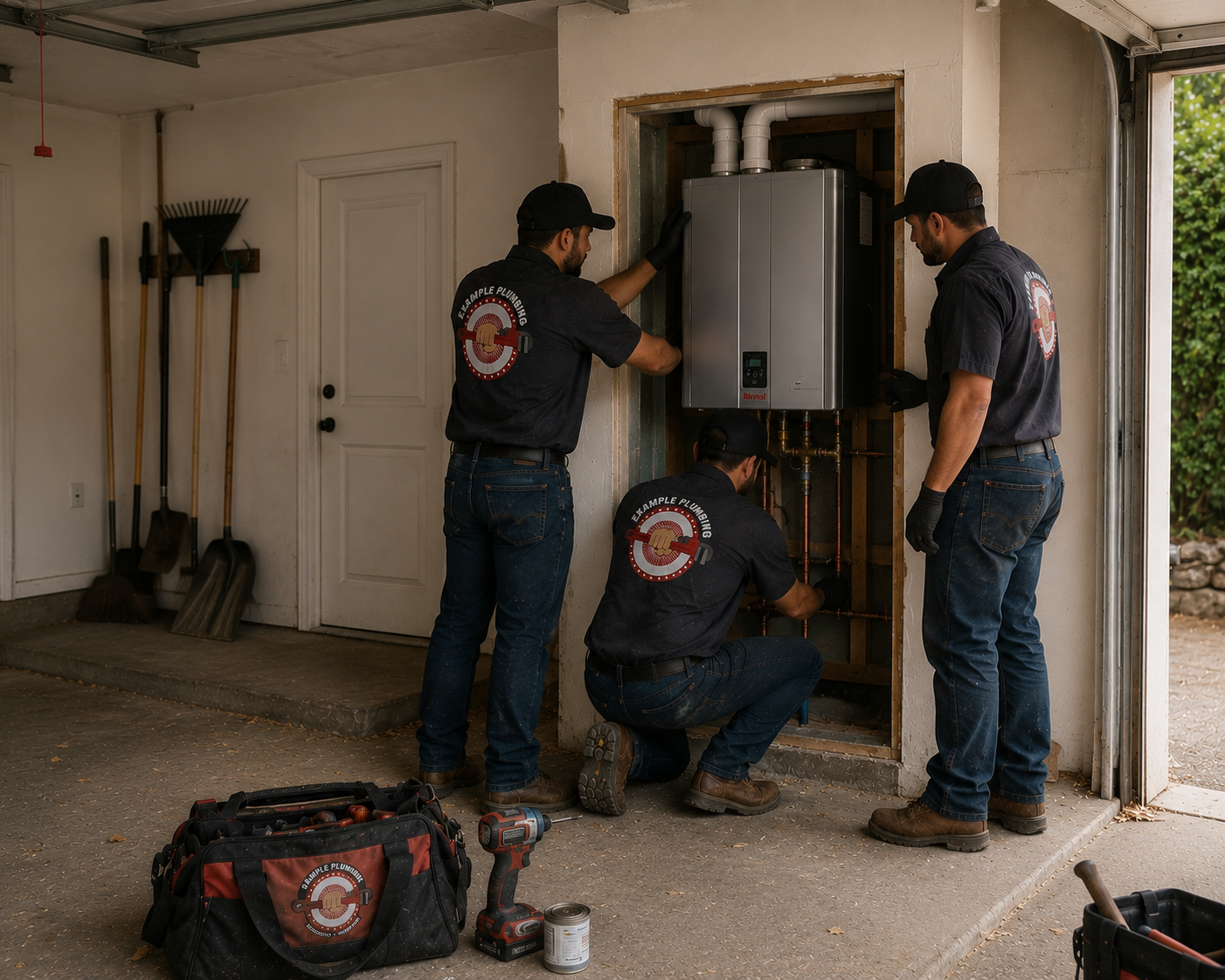
The tank versus tankless decision is easier when you stop asking which technology is best and start asking which one fits the house. Both systems have strengths, limitations, and installation requirements that can change the total cost significantly.
How a tank water heater works
A tank heater stores a set volume of hot water and reheats it as needed. The storage tank creates a reserve that can handle short periods of high demand. Once that reserve is depleted, the heater needs time to recover.
How a tankless water heater works
A tankless unit heats water as it flows through the heat exchanger. It does not store a large volume of hot water. Instead, performance is limited by the unit's maximum flow rate and temperature rise. If several fixtures demand more hot water than the unit can produce at once, the system can be undersized even though it provides long-duration hot water.
Installation cost can be very different
Replacing a tank heater with another similar tank model is often straightforward. Converting to tankless may require a larger gas supply, new venting, a condensate drain, electrical power, or plumbing changes. Those upgrades are not necessarily a reason to avoid tankless, but they need to be included in the comparison.
Space and location
Tankless units are compact and wall-mounted, which can free floor space. That can be valuable in a garage, utility room, or smaller home. A tank heater needs more physical space but may fit an existing installation with fewer changes.
Hot-water behavior
A properly sized tankless unit can support long showers without running out of stored hot water. A tank system can deliver high flow for a period of time, then needs recovery. Large households should compare simultaneous demand, not just the number of people in the home.
Maintenance and water quality
Both system types benefit from maintenance. Tankless heat exchangers can be sensitive to mineral scale and may need periodic flushing depending on water quality and manufacturer guidance. Tank units also collect sediment and have components that should be inspected. North Texas water conditions make maintenance worth discussing during installation.
Questions that make the decision easier
- How many showers or hot-water fixtures run at the same time?
- What fuel source is available?
- Would the home need a gas-line, venting, or electrical upgrade?
- How important is floor space?
- What maintenance is the homeowner comfortable scheduling?
- What is the total installed cost, not just the equipment price?
Frequently asked questions
Does tankless mean instant hot water at the faucet?
No. Water still has to travel through the piping from the heater to the fixture unless the home also uses a recirculation strategy.
Can one tankless heater serve a whole house?
Yes, when it is sized for the required temperature rise and simultaneous flow. Some large homes may need a different system design.
Which lasts longer?
Service life depends heavily on water quality, maintenance, installation, usage, and equipment quality. It is better to compare specific products and warranties than rely on a single generic number.
See how an installation-focused page can answer homeowner questions on Water Heater Installation.
Need help with a plumbing problem?
Use the guide to understand the issue, then choose the service that fits the symptoms you are seeing.
View Plumbing ServicesCall 720-517-0622