
Water Heaters
Signs Your Water Heater May Be Failing
Water heaters rarely choose a convenient time to fail. Paying attention to changes in temperature, sound, recovery time, and moisture can give you a chance to act before a no-hot-water emergency.
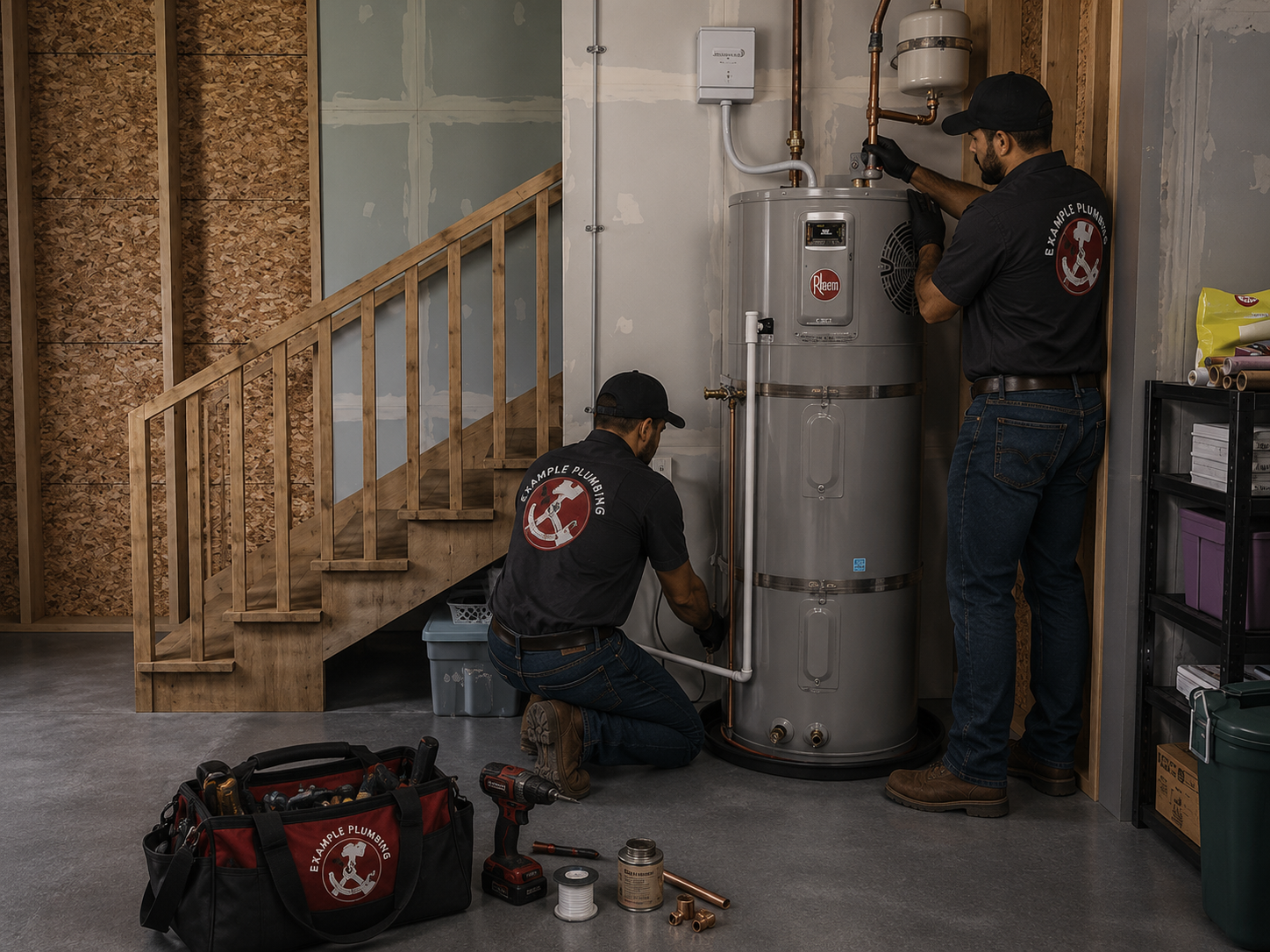
A water heater does not have to stop completely before it deserves attention. Many problems begin as small changes in performance. Catching those changes early can sometimes turn an emergency replacement into a scheduled repair or planned upgrade.
Hot water does not stay hot as long
If showers that used to stay hot are turning lukewarm sooner, the heater may be losing capacity or heating performance. Sediment, failed heating elements, burner problems, thermostat issues, or a change in household demand can all create similar symptoms.
Temperature is inconsistent
Water that swings from hot to lukewarm or never reaches the expected temperature can point to controls, heating components, mixing problems, or system sizing. A technician should diagnose the cause before parts are replaced.
The heater is making new noises
Popping, rumbling, crackling, or banging sounds can be associated with sediment or other operating conditions. Some noise is normal, especially during heating cycles, but a new or worsening sound is worth checking.
There is water around the unit
Moisture should never be ignored. The source may be a connection, valve, drain, condensation, or the tank itself. A small leak can become a larger one, and water near gas or electrical components needs prompt attention.
The hot water looks rusty or discolored
Discoloration can come from the heater, household piping, or the water supply. Comparing hot and cold water can help narrow the source, but persistent rusty hot water deserves a professional evaluation.
The system struggles to recover
If the heater takes much longer than usual to produce another round of hot water, something may have changed in the heating system. On electric models, a failed element can reduce recovery. On gas models, burner or control issues can affect output.
The unit needs repairs more often
One repair does not mean a heater is finished. Several repairs in a short period are different. At that point, compare the next repair cost with the condition and age of the entire system so you are not repeatedly investing in equipment that is nearing replacement.
Frequently asked questions
Is a small puddle under a water heater serious?
It can be. Even if the source is a repairable fitting, the cause should be identified quickly. A leaking tank can worsen without warning.
Does sediment mean I need a new heater?
Not necessarily. The effect of sediment depends on the system's condition and maintenance history. A plumber can advise whether service, repair, or replacement makes sense.
Should I wait until there is no hot water?
No. Changes in performance are often easier to address during a planned appointment than during a complete failure.
For a repair-focused example, visit Water Heater Repair.
Need help with a plumbing problem?
Use the guide to understand the issue, then choose the service that fits the symptoms you are seeing.
View Plumbing ServicesCall 720-517-0622