
Water Heaters
Repair or Replace a Water Heater? How to Decide
A water heater problem does not automatically mean replacement. The best decision comes from the tank condition, age, repair history, household needs, and the specific failure.
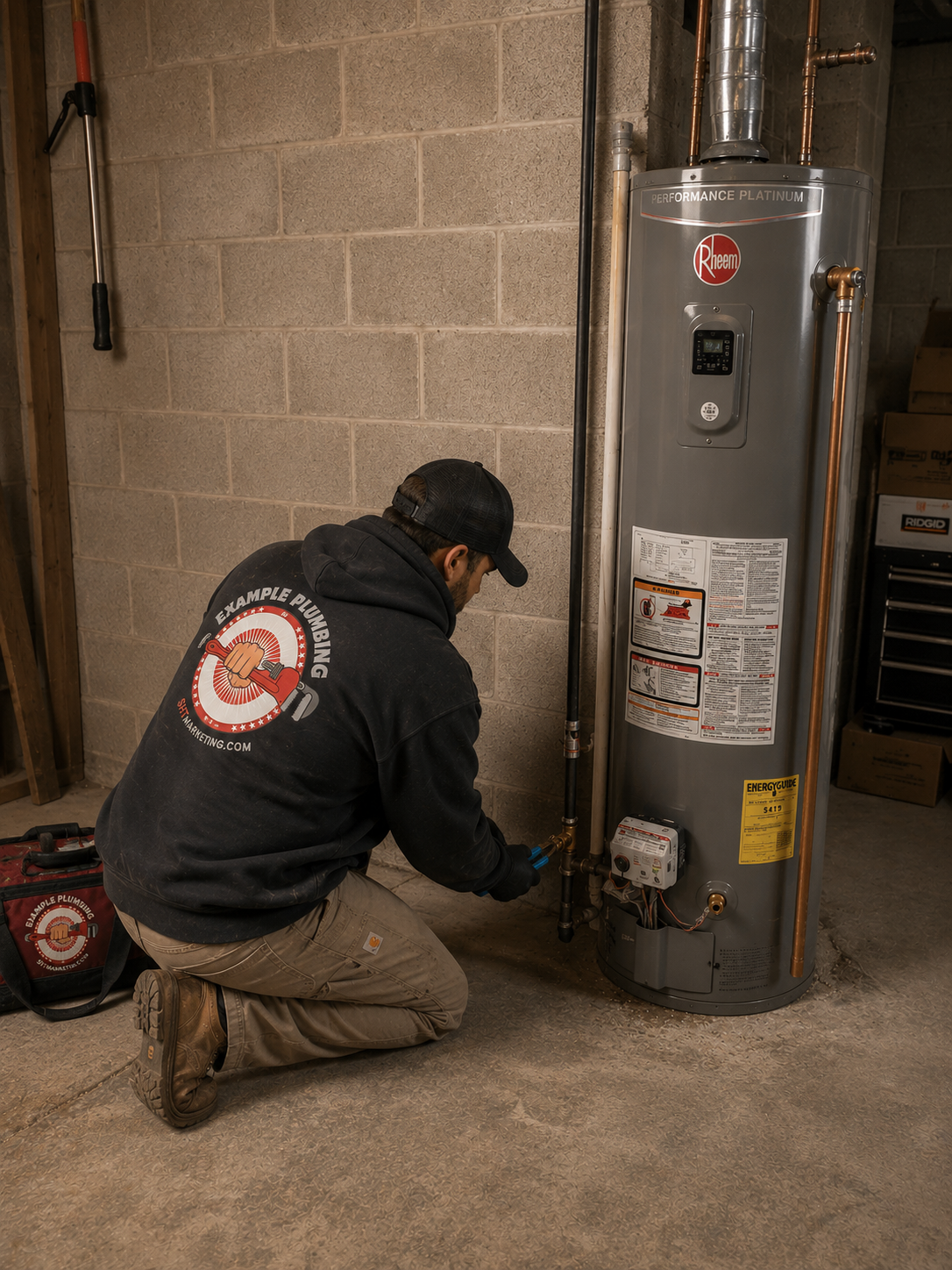
When a water heater stops producing reliable hot water, homeowners often face the same question: repair the equipment or replace it? There is no useful one-size-fits-all answer. A simple component failure on a sound unit is very different from a leaking tank near the end of its service life.
Start with the source of the problem
A plumber should determine whether the issue is a thermostat, heating element, gas control, burner, igniter, valve, venting problem, sediment buildup, leaking connection, or the tank itself. The diagnosis matters because some repairs restore years of useful service while others only delay an inevitable replacement.
Age matters, but it is not the only factor
Older equipment deserves a closer look because the likelihood of tank corrosion and additional component failures tends to rise over time. Still, age alone should not be used to sell a replacement. Condition, maintenance history, water quality, installation quality, and usage all matter.
A leaking tank changes the decision
Water around a heater can come from a fitting, drain valve, temperature and pressure relief valve, condensation, or another nearby source. Those issues may be repairable. A tank that is leaking through its shell is different. The tank itself is not a practical field repair, so replacement is usually the correct path.
Consider repair history
If the heater has needed several repairs in a short period, add those costs together. A less expensive repair can be reasonable once. Repeating that pattern on an aging unit can cost more than putting the money toward a properly sized replacement.
Think about capacity and household needs
A heater can be technically functional and still be wrong for the home. If the family has grown, bathrooms were added, or hot-water use has changed, replacement creates an opportunity to correct capacity. The right size should be based on realistic demand rather than simply matching the old model.
Do efficiency and utility costs justify replacement?
Efficiency can be part of the calculation, but replacing functioning equipment solely for small energy savings does not always produce the best financial result. Compare the installed cost, expected energy use, available fuel type, maintenance needs, and how long you plan to stay in the home.
Questions to ask before approving the work
- What exactly failed?
- Is the tank itself leaking?
- What is the estimated repair cost?
- Are there signs another major component is near failure?
- Is the current heater sized correctly for the household?
- What code or installation updates would be required with a new unit?
Frequently asked questions
Can a leaking water heater be repaired?
Sometimes. A leaking fitting or valve may be repairable. A tank that is leaking through the body normally requires replacement.
Should I replace a working but old water heater?
Not automatically. It can be smart to plan ahead, especially if a leak would cause major damage, but condition and risk matter more than age alone.
Can I switch from tank to tankless during replacement?
Possibly. The home may need gas, venting, electrical, or water-line changes, so the full installation requirements should be evaluated before deciding.
Compare the two service paths on our Water Heater Repair and Water Heater Installation pages.
Need help with a plumbing problem?
Use the guide to understand the issue, then choose the service that fits the symptoms you are seeing.
View Plumbing ServicesCall 720-517-0622